

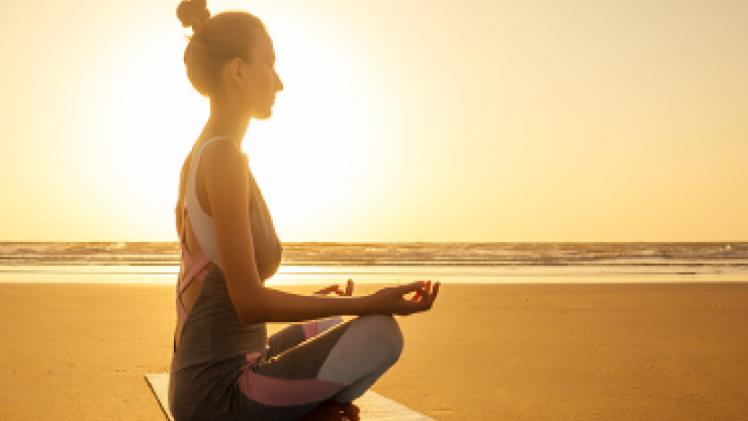
In today’s fast-paced world, where stress and anxiety have become pervasive companions, an increasing number of young people are turning to ancient practices such as yoga and meditation to find solace and inner peace. With their proven ability to promote relaxation, reduce stress, and enhance overall well-being, yoga and meditation are gaining popularity among youth as practical tools for managing the pressures of modern life. Let’s explore the reasons behind this trend and the potential benefits of incorporating these practices into daily routines.
Understanding the Appeal: Why Yoga and Meditation Resonate with Youth
In an era marked by constant connectivity, information overload, and societal pressures, many young people seek refuge from everyday life’s hustle and bustle. Yoga and meditation offer a sanctuary from the chaos, providing a space for self-reflection, mindfulness, and inner exploration. These practices resonate with youth who crave authenticity, connection, and a sense of purpose in an increasingly fragmented world.
Physical and Mental Benefits: The Power of Yoga and Meditation
The benefits of yoga and meditation extend far beyond the physical realm, encompassing mental, emotional, and spiritual well-being. Through yoga, individuals can improve flexibility, strength, and balance while cultivating mindfulness, focus, and emotional resilience. Similarly, meditation offers a gateway to inner peace, clarity of mind, and a deeper understanding of self, enabling individuals to navigate life’s challenges with grace and poise.
Stress Reduction and Coping Skills: Building Resilience for Life’s Challenges
One of the primary reasons why yoga and meditation appeal to youth is their profound ability to reduce stress and promote relaxation. By engaging in mindful movement, deep breathing, and guided meditation practices, individuals can activate the body’s relaxation response, counteracting the effects of chronic stress and promoting a sense of calm and well-being. Moreover, yoga and meditation teach valuable coping skills that can be applied to various aspects of life, empowering young people to navigate stressors with greater ease and resilience.
Connection and Community: Finding Support and Belonging
In addition to their individual benefits, yoga and meditation offer opportunities for connection and community, fostering a sense of belonging and support among practitioners. Whether attending group yoga classes, meditation retreats, or online communities, young people can find solace in the shared experience of exploring mindfulness and self-discovery with like-minded individuals. This sense of connection can be precious in a world where isolation and disconnection are prevalent.
Accessible and Inclusive: Breaking Down Barriers to Practice
One of yoga and meditation’s strengths is their accessibility and inclusivity, making them suitable for individuals of all ages, abilities, and backgrounds. Whether practising at home, in a studio, or nature, there are myriad ways to incorporate yoga and meditation into daily life, regardless of time constraints or financial limitations. Additionally, the increasing availability of online resources, apps, and virtual classes has made these practices more accessible, democratizing wellness and self-care for youth worldwide.
Conclusion: Embracing the Path to Wellness
As more young people recognize the transformative power of yoga and meditation in promoting mental, emotional, and spiritual well-being, these ancient practices are poised to become integral components of the modern wellness landscape. By embracing mindfulness, self-compassion, and self-care, youth can cultivate resilience, find balance, and thrive in an increasingly complex and demanding world. Whether rolling out a yoga mat or sitting in quiet contemplation, the path to wellness begins with a single breath, a single step, and a willingness to journey inward toward greater peace and fulfilment.
