

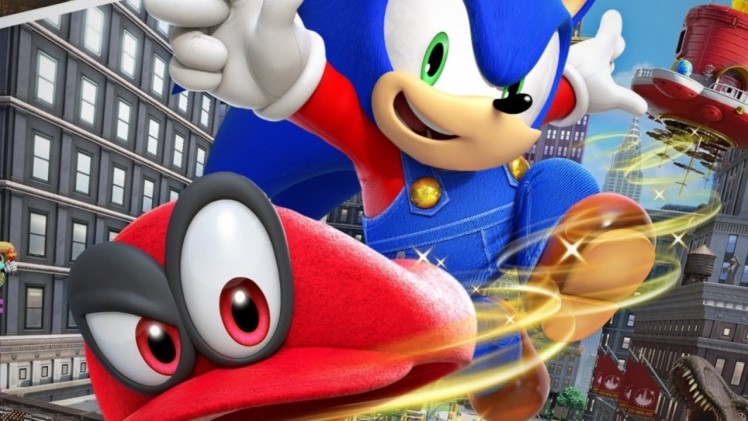
Video game music has come a long way since the early days of 8-bit chiptunes. What was once a simple backdrop to pixelated adventures has evolved into a dynamic and integral part of the gaming experience. From epic orchestral scores to immersive ambient soundscapes, video game music has the power to evoke emotion, enhance gameplay, and transport players to new worlds. In this article, we’ll embark on a sonic odyssey, tracing the evolution of video game music from its humble beginnings to its current status as a respected art form.
- The Birth of Video Game Music:The origins of video game music can be traced back to the early days of arcade and console gaming in the 1970s and 1980s. Limited by the technical constraints of early hardware, composers like Koji Kondo (Super Mario Bros.) and Nobuo Uematsu (Final Fantasy) created iconic melodies using simple synthesizers and sound chips, laying the foundation for what would become known as chiptune music.
- The 16-Bit Era and Beyond:The arrival of 16-bit consoles like the Super Nintendo and Sega Genesis marked a significant technological leap in video game music. With expanded memory and improved sound capabilities, composers had more room to experiment with richer instrumentation and more complex compositions. Games like Sonic the Hedgehog and Chrono Trigger showcased video game music’s potential to rival traditional film and television scores.
- The Rise of Interactive Music:As gaming technology continued to advance, so did music’s role within games. Interactive music systems, pioneered by titles like The Legend of Zelda: Ocarina of Time and Metal Gear Solid, allowed music to dynamically change based on player actions and in-game events, enhancing immersion and gameplay depth.
- From MIDI to Live Orchestras:With the advent of CD-ROM technology in the 1990s, video game composers gained access to high-quality audio samples and full-motion video capabilities. This led to a surge in the use of recorded music and live orchestras in video game soundtracks, resulting in cinematic scores that rival those found in blockbuster films.
- Diversity and Innovation:Today, video game music spans various genres and styles, from epic orchestral arrangements to electronic dance beats and ambient soundscapes. Indie games, in particular, have pushed the boundaries of video game music, experimenting with unconventional instrumentation and avant-garde compositions to create unique and memorable sonic experiences.
- Cultural Impact and Recognition:Video game music has become a beloved aspect of gaming culture and has gained recognition as a legitimate art form in its own right. Major orchestras worldwide now perform concerts featuring video game music, and composers like Yoko Shimomura (Kingdom Hearts) and Jesper Kyd (Assassin’s Creed) have achieved widespread acclaim for their contributions to the medium.
- Emotional Resonance and Immersion:One of the most remarkable aspects of video game music is its ability to evoke emotion and enhance immersion in ways that traditional media cannot. Whether it’s the triumphant fanfare of victory or the haunting melody of loss, video game music has the power to resonate deeply with players, forging emotional connections that last long after the game is over.
- Looking to the Future:As technology continues to evolve, so will the landscape of video game music. With the advent of virtual reality and spatial audio technologies, composers have new tools to create even more immersive and interactive soundscapes. The future of video game music promises to be a thrilling and innovative journey into uncharted sonic territory.
In conclusion, the evolution of video game music is a testament to the creativity, innovation, and passion of composers and developers within the gaming industry. From its humble beginnings as simple chiptunes to its current status as a respected art form, video game music continues to captivate audiences and push the boundaries of what is possible in interactive entertainment. As we continue to embark on our sonic odyssey through the world of video games, one thing is sure: the power of music to elevate and enhance the gaming experience will only continue to grow in the years to come.
