

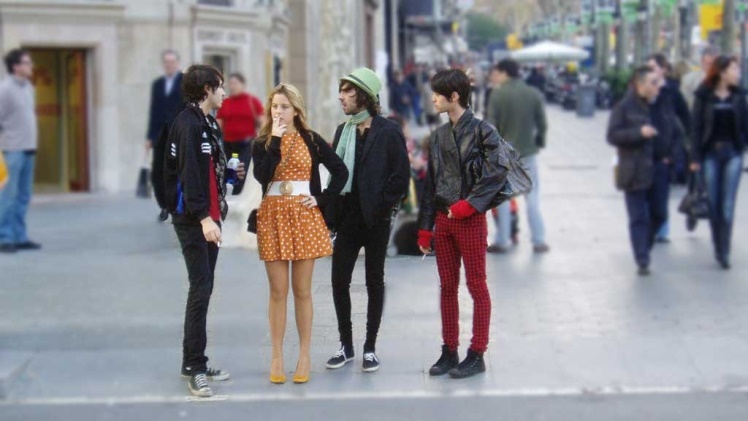
The relationship between fashion and psychology goes beyond mere aesthetics—it extends to how we perceive ourselves and interact with the world around us. From the colours to the styles we prefer, our clothing plays a significant role in shaping our mood, confidence, and behaviour. In this article, we’ll explore the fascinating field of fashion psychology, examining how what we wear can impact our emotions, attitudes, and self-perception.
The Psychology of Color
Colour is one of the most potent tools in fashion psychology, with each hue evoking a unique emotional response. For example, warm colours like red and yellow are associated with energy, passion, and excitement, while cool colours like blue and green are linked to calmness, relaxation, and tranquillity. By choosing to clothe in specific colours, we can consciously or unconsciously influence our mood and emotional state, creating a subtle but profound impact on how we feel throughout the day.
The Influence of Clothing Style
The style of clothing we choose also significantly impacts our psychological state. Whether we opt for casual, formal, or eclectic attire, our clothing communicates information about our personality, values, and intentions to ourselves and others. Dressing in clothing that aligns with our self-image and personal identity can boost confidence and self-esteem, empowering us to express ourselves authentically and assertively in various social and professional settings.
The Power of Self-Expression
Fashion is a form of self-expression, allowing us to communicate our identity, values, and aspirations to the world. The clothing we choose reflects our individuality and personal narrative, shaping how others perceive us and how we perceive ourselves. By curating a wardrobe that resonates with our unique style and aesthetics, we can cultivate a sense of authenticity and empowerment that positively impacts our mood and self-confidence.
The Role of Comfort and Fit
Comfort is another crucial factor in fashion psychology, as the physical sensation of wearing clothing can directly influence our mood and well-being. Ill-fitting or uncomfortable garments can cause physical discomfort and emotional distress, leading to feelings of self-consciousness and insecurity. Conversely, clothing that fits well and feels good on the body can enhance comfort, confidence, and overall mood, allowing us to move through the world quickly and gracefully.
The Therapeutic Potential of Fashion
In recent years, researchers and practitioners have begun to explore the therapeutic potential of fashion as a tool for enhancing mental health and well-being. Therapeutic interventions such as wardrobe styling sessions, clothing swaps, and mindful dressing practices have been shown to improve body image, self-esteem, and mood among individuals struggling with mental health issues such as depression, anxiety, and eating disorders. By harnessing the power of fashion to promote self-expression, self-care, and self-compassion, these interventions offer new avenues for supporting mental health and fostering holistic well-being.
In conclusion, fashion psychology offers valuable insights into the complex interplay between clothing and mood, highlighting the profound impact we wear can have on our emotions, attitudes, and self-perception. By understanding the psychological mechanisms in our fashion choices, we can harness the transformative power of clothing to enhance our mood, boost our confidence, and cultivate a greater sense of authenticity and well-being in our daily lives.
